
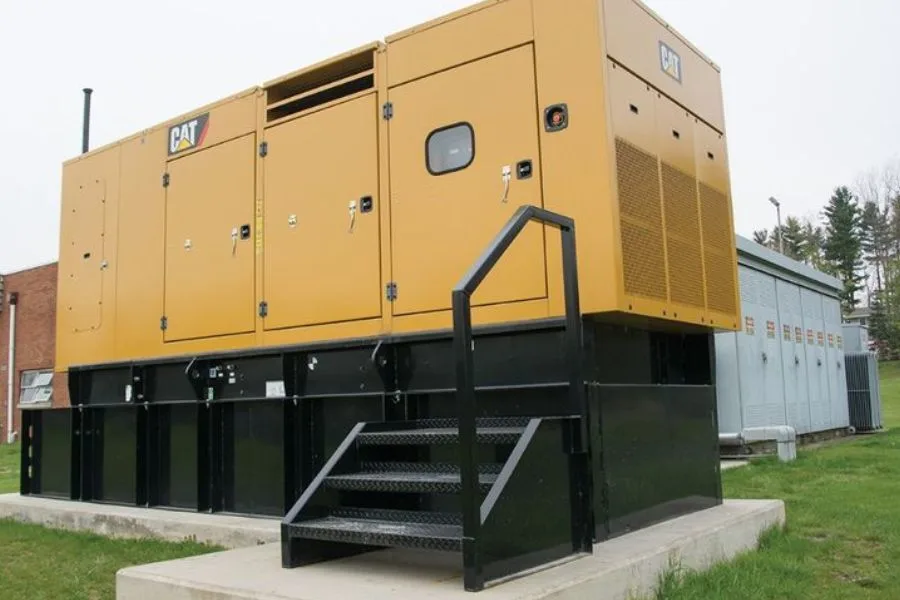
Choosing the Right Residential Generator for Your Home
In today's world, where power outages can strike unexpectedly and at the most inconvenient times, having a reliable backup power source has become essential for many homeowners. A residential generator ensures that your home remains functional and comfortable, even during prolonged power outages. But with so many options available, how do you choose the right generator for your home? In this comprehensive guide, we will explore the key factors to consider when selecting a residential generator and how electrician in windsor can assist you in making the best choice.
Understanding the Basics of Residential Generators
Before diving into the specifics of choosing a generator, it’s important to understand what a residential generator is and how it works. A residential generator is a device that provides backup power to your home during a power outage. It can be powered by various fuel sources, including natural gas, propane, diesel, or gasoline. When the main power supply fails, the generator automatically kicks in, supplying electricity to your home until the main power is restored.
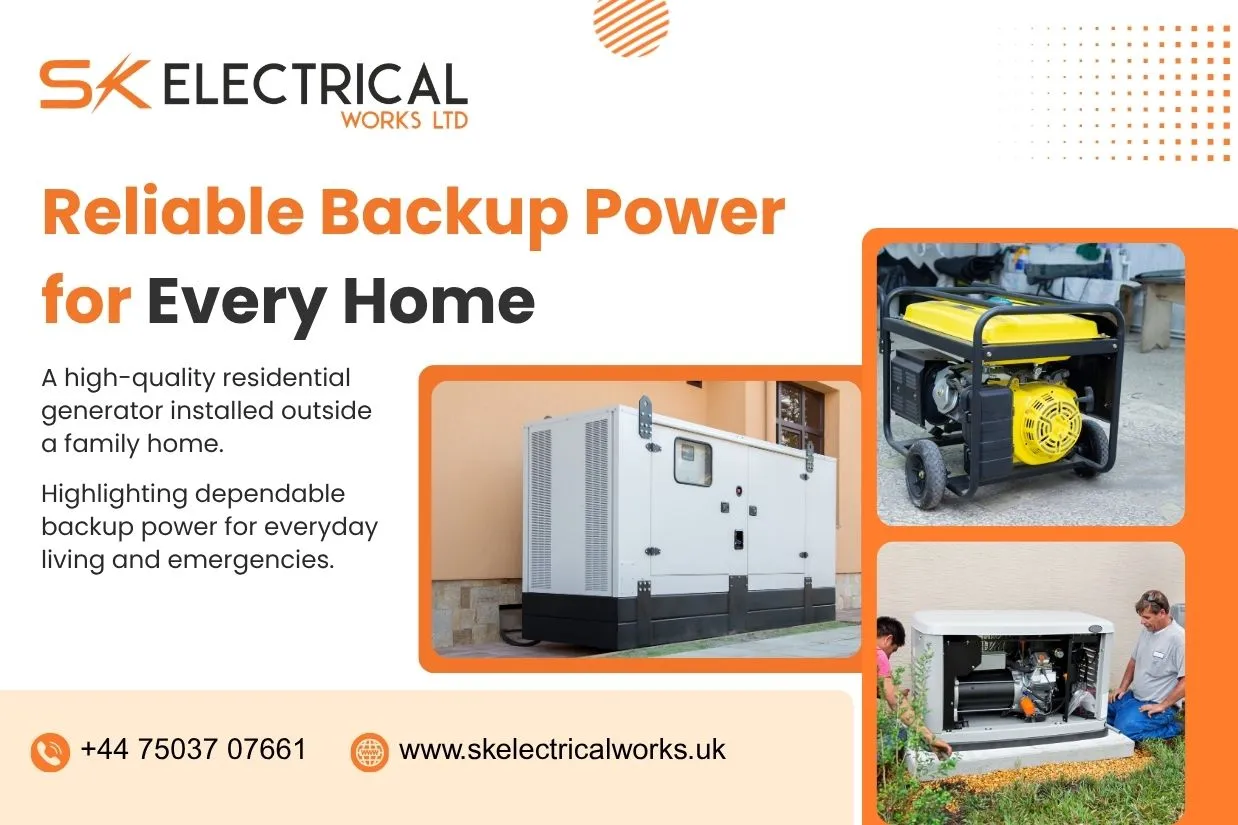
There are two main types of residential generators:
1. Portable Generators
These are smaller, movable units that can be used for temporary power needs. They are ideal for smaller homes or for providing power to specific appliances. However, they require manual setup and operation.
2. Standby Generators
These are permanent installations that automatically turn on when the power goes out. They are connected directly to your home's electrical system and are typically fueled by natural gas or propane. Standby generators are more powerful and can supply electricity to your entire home.
Key Considerations When Choosing a Residential Generator
Choosing the right generator for your home is not a decision to be taken lightly. There are several factors you need to consider to ensure that you select a generator that meets your specific needs. Here are the key factors to consider:
1. Power Requirements
The first step in choosing a generator is determining your power requirements. You need to calculate the total wattage of all the appliances and systems you want to power during an outage. This includes essential items like refrigerators, heating and cooling systems, lights, and medical equipment.
Electrician in Windsor can help you determine your power needs by conducting a load assessment of your home. This involves calculating the starting and running wattage of each appliance to ensure that the generator you choose can handle the load without overloading.
2. Fuel Type
Generators can be powered by various types of fuel, each with its own advantages and disadvantages. The most common fuel types for residential generators are:
- Natural Gas: This is a convenient and reliable fuel source, as it is typically connected to your home's existing gas line. Natural gas generators are ideal for long-term power outages because they do not require frequent refueling.
- Propane: Propane is another popular choice, especially in areas where natural gas is not available. Propane has a long shelf life and burns cleanly, but it requires a storage tank that needs to be refilled periodically.
- Diesel: Diesel generators are known for their durability and efficiency. They are ideal for heavy-duty power needs, but they require regular maintenance and have higher emissions compared to natural gas and propane.
- Gasoline: Gasoline generators are typically used for portable generators. While gasoline is readily available, it has a shorter shelf life and requires careful storage.
When choosing a generator, consider the availability and cost of fuel in your area. Electrical contractors Windsor can provide expert advice on the best fuel type for your specific needs and location.
3. Generator Size
The size of the generator is directly related to its power output. The larger the generator, the more power it can produce. However, larger generators also require more space and can be more expensive.
To determine the right size generator for your home, you need to consider your power requirements, as well as the size of your property. A standby generator typically ranges from 7 kW to 150 kW, depending on the size of the home and the number of appliances you want to power.
It’s important to note that bigger isn’t always better. An oversized generator can lead to inefficient fuel consumption and higher operational costs. Emergency electrician Windsor can help you choose a generator that is appropriately sized for your home, ensuring optimal performance and efficiency.
4. Automatic Transfer Switch (ATS)
An Automatic Transfer Switch (ATS) is an essential component of a standby generator system. The ATS automatically detects a power outage and switches your home’s power source from the grid to the generator. When the main power is restored, the ATS switches back to the grid and shuts down the generator.
The ATS is a critical feature for ensuring seamless power transfer during an outage. Electrician in Windsor can install an ATS that is compatible with your generator and your home’s electrical system.
5. Noise Levels
Generators can be noisy, and the noise level is an important factor to consider, especially if you live in a residential area with close neighbors. Standby generators are generally quieter than portable generators, but noise levels can still vary depending on the model and manufacturer.
When choosing a generator, look for models with sound-dampening features or enclosures that reduce noise. Electricians near me can help you select a generator with acceptable noise levels for your neighborhood.
6. Installation and Maintenance
Proper installation is crucial for the safe and efficient operation of your generator. Standby generators require professional installation, including connecting the generator to your home’s electrical system and fuel supply. Electrical contractors Windsor have the expertise and experience to install your generator correctly, ensuring compliance with local codes and regulations.
In addition to installation, regular maintenance is essential to keep your generator in good working condition. This includes routine inspections, oil changes, and filter replacements. Electrician in Windsor can provide ongoing maintenance services to ensure your generator is always ready when you need it.
7. Budget
Generators are a significant investment, and your budget will play a major role in your decision. The cost of a generator can vary widely depending on the size, type, and features.
In addition to the initial purchase price, you need to factor in the cost of installation, fuel, and maintenance. Emergency electrician Windsor can provide you with a detailed cost estimate, including installation and maintenance, to help you make an informed decision.
Why Work with Electrician in Windsor?
When it comes to choosing and installing a residential generator, working with professional emergency electrician Windsor is essential. Here’s why:
- Expertise and Experience: Electrician in Windsor have the knowledge and experience to help you choose the right generator for your home. They can conduct a thorough assessment of your power needs, recommend the best generator for your situation, and ensure that it is installed correctly.
- Compliance with Local Codes: Generator installation must comply with local building codes and regulations. Electrical contractors are familiar with these requirements and will ensure that your installation meets all necessary standards.
- Safety: Working with electricity and fuel can be dangerous. Electrical contractors Windsor have the training and equipment to perform installations safely, reducing the risk of accidents or damage to your home.
- Maintenance Services: Regular maintenance is key to the longevity and reliability of your generator. Electrician in Windsor can provide ongoing maintenance services, including inspections, repairs, and emergency support.
- Emergency Services: If your generator fails during an outage, you need prompt assistance. Emergency electrician Windsor are available to provide urgent repairs and get your generator back up and running quickly.
Immediate Power-Supply with Electrician in Windsor
Choosing the right residential generator for your home is a crucial decision that requires careful consideration of your power needs, fuel options, generator size, and budget. By working with electrician in Windsor, you can ensure that you select a generator that meets your specific requirements and that it is installed and maintained properly.
Whether you’re looking for a standby generator to power your entire home or a portable unit for essential appliances, Emergency electrician Windsor are your trusted partners in ensuring that your home remains powered and comfortable during any outage. With their expertise and commitment to quality, you can have peace of mind knowing that your generator will be there when you need it most.
If you’re ready to invest in a residential generator, contact emergency electrician Windsor today to discuss your options and get started on the path to reliable backup power for your home. Whether you need an Electrician in Windsor or simply want to explore your generator options, they are just a call away, ready to provide the support and services you need.
Categories
Recent Posts
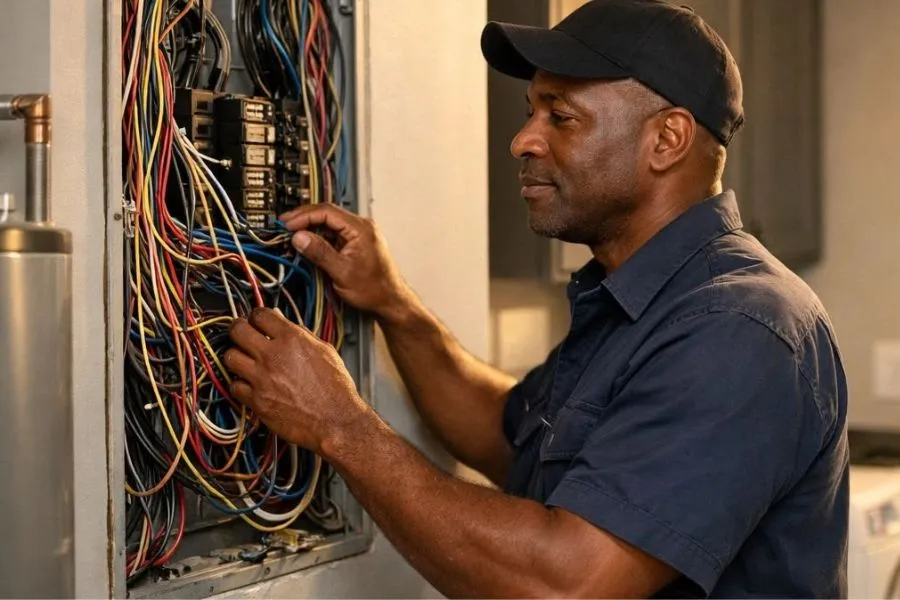
Signs That Indicate You Need Electrical Repair
When it comes to maintaining your home or business, the electrical system is often overlooked until something goes wrong...
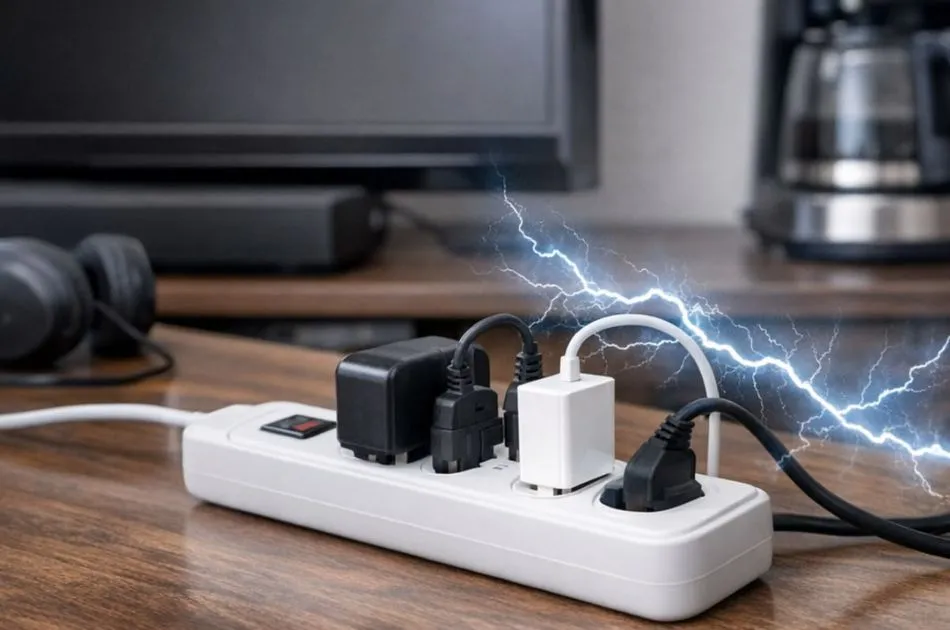
Effective Strategies for Power Outage Prevention
Power outages can be more than just a minor inconvenience; they can disrupt businesses, compromise safety, and lead to significant financial losses...

The New Identity of SK Electrical Works
In every industry, growth comes with change — and at SK Electrical Works, we believe change should reflect...